
Helen Keller: The Guiding Legacy Behind Helenius
Dec 27, 2025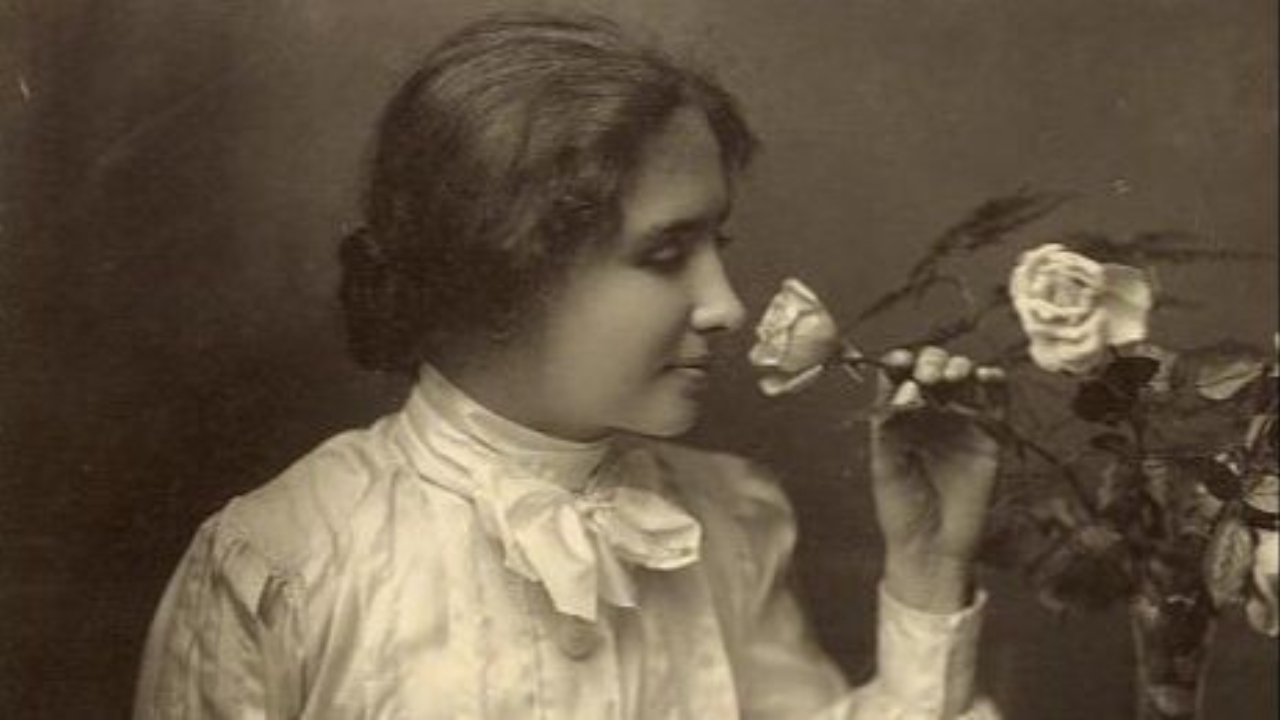
A life of learning, transformation, and a pedagogical bond that changed everything.
The story behind an educational philosophy
At Helenius, we don’t just carry her name. We carry her spirit.
Helen Keller (1880 - 1968) was an extraordinary figure: a writer, lecturer, activist, and the first deafblind person to earn a university degree. Her life stands as a universal symbol of intellectual triumph over adversity. Blind and deaf from 19 months old, Helen defied the limits society placed on communication, education, and personal agency. But she did not walk this path alone: her journey was profoundly shaped by the presence of an exceptional teacher, Anne Sullivan, who opened the door to language, thought, and inner awareness through a pedagogical relationship rooted in trust, patience, and intelligent care.
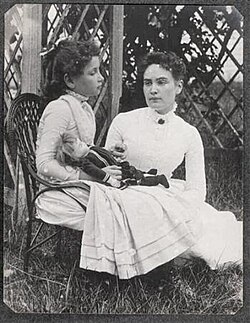
The encounter between Keller and Sullivan transformed more than one life; it laid the foundation for a humanistic vision of education, where the bond between guide and learner is an act of mutual faith, and teaching becomes a process of inner liberation.
More than an inspiring story: a revolution in learning
When Anne Sullivan first entered Helen's life, the little girl lived in a world of silence and darkness, without language, without words, without structure for thought. What followed was not just a miracle: it was pedagogy, in all its human depth, with its moments of rupture and revelation.
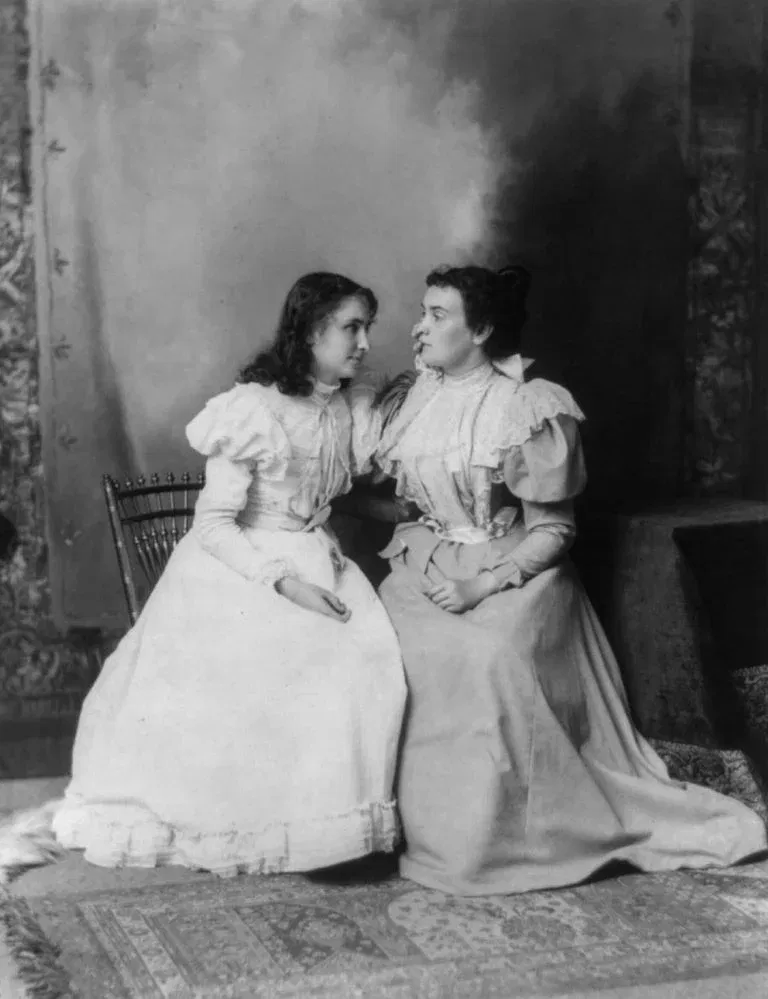
Sullivan didn’t simply deliver information; she built a communicative bridge through touch, spelling words into Helen’s hand and connecting them with real experiences and emotional meaning. Helen didn’t just learn to name the world, but she also learned to think about it, to question it, to write it, and to change it.
This process was later recorded in her memoir, particularly in “The Story of My Life” (1903), where Helen reflects not only on her personal growth but on the transformative power of educational companionship. Her intellectual work was vast: books, essays, letters, public talks, and political activism. Helen Keller became a critical voice and advocate for the rights of people with disabilities, for access to books, to education, to dignity.
A legacy that shapes who we are
At Helenius, our educational philosophy finds in Helen Keller not just a symbol, but a deep epistemological and ethical reference point. She embodies the belief that every human being has the right to learn, to express themselves, to think freely. And for that to happen, pedagogy must be adaptive, relational, and respectful of each learner’s unique process.
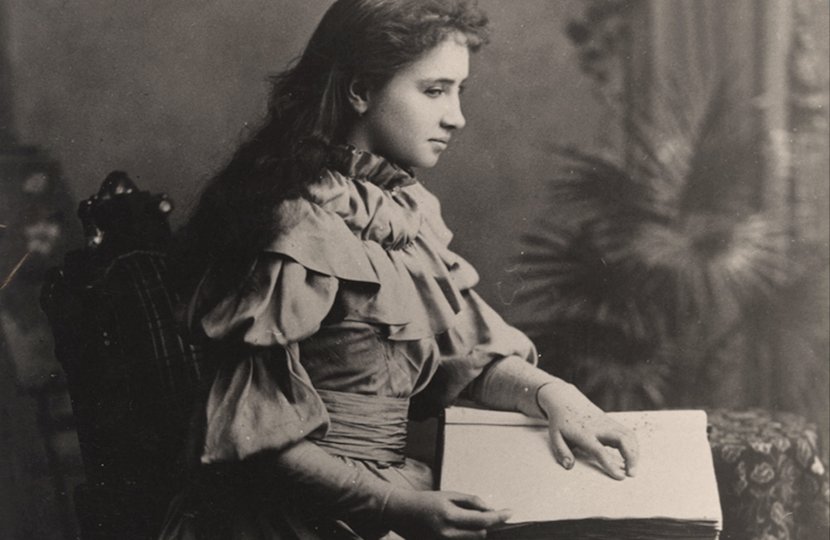
We chose her name at Helenius because we share her conviction that education must be accessible, meaningful, and guided with human purpose. Her perseverance, clarity, and commitment to inclusive education inspire us every day.
An education that doesn’t teach to repeat, but to awaken
The relationship between Helen Keller and Anne Sullivan is, for us, the foundational model of meaningful pedagogy. It is not about depositing knowledge, but about unlocking capacity, helping to “bring forth” ideas, in line with the Socratic maieutic that also shapes our approach.
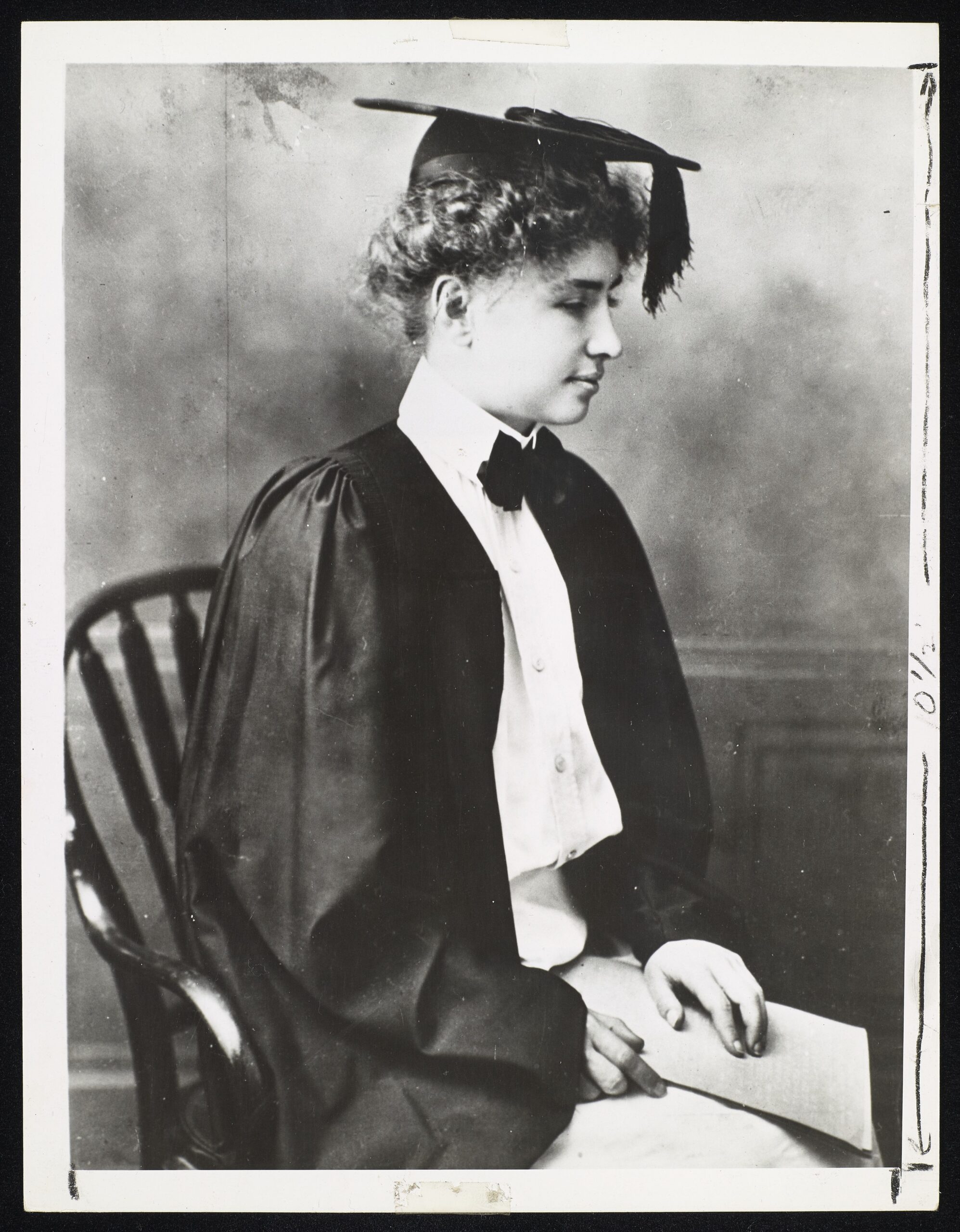
In a world overwhelmed by content yet starving for connection, where access to information does not guarantee deep learning, returning to the legacy of Keller and Sullivan is a powerful reminder that to educate is to accompany. And to truly learn is an act of freedom.
At Helenius, we don’t just teach. We accompany, awaken, and believe. Like Anne. Like Helen.